Saying goodbye seems simple, yet many writers, speakers, and even casual texters stumble over the spelling and proper usage.
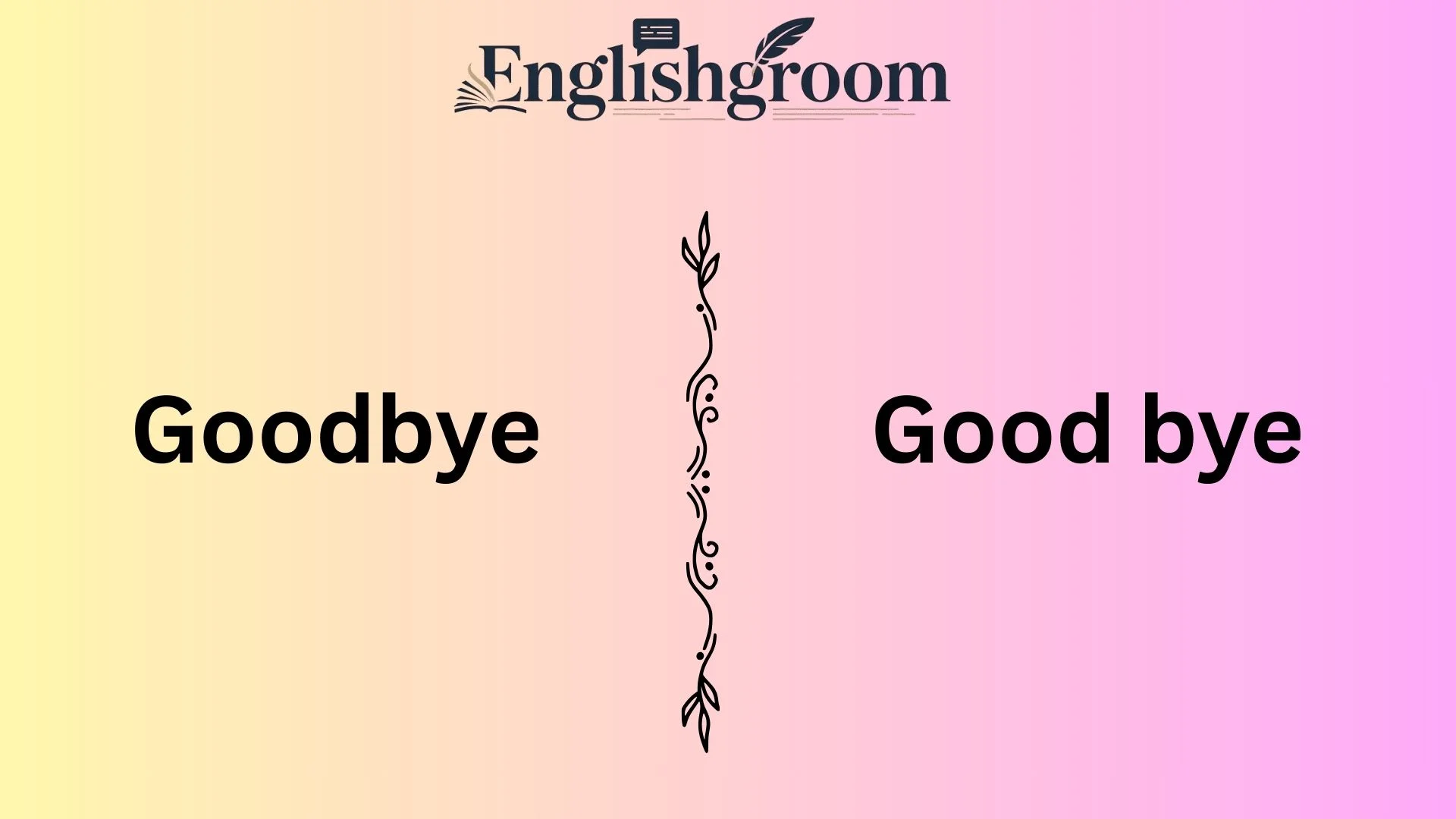
Should it be goodbye, good-bye, or good bye? Are these interchangeable, or does one form dominate modern English?
This guide dives deep into the history, rules, variations, and practical uses of goodbye. By the end, you’ll know exactly when and how to use each form confidently.
The Evolution of ‘Goodbye’
Few words carry as much history in their letters as goodbye. The word originates from the 16th-century phrase “God be with ye”, a blessing when parting from someone. Over time, it contracted to “God b’w’ye” and eventually evolved into goodbye.
Language changes are natural. Pronunciation shifted, spelling simplified, and the word became a standard farewell in both casual and formal contexts. Interestingly, writers like Shakespeare used variations such as “God be w’th ye” in plays and letters.
Key facts about the evolution:
- Origin: Late 1500s in England.
- Original meaning: A blessing of safety and divine protection.
- Transition: Religious blessing → everyday farewell.
This transformation shows how deeply culture and religion influence language. Today, goodbye is secular, but its roots remind us of its origin as a meaningful farewell.
Goodbye, Good-bye, or Good bye: What’s Correct?
Modern English recognizes goodbye as the standard spelling. Dictionaries including Oxford and Merriam-Webster list it without a hyphen, while style guides like AP prefer the same.
Variations explained:

- Goodbye – The modern, accepted standard.
- Good-bye – Hyphenated; older but still correct in some contexts.
- Good bye – Rarely used; considered less formal or technically incorrect.
Here’s a quick comparison:
| Spelling | Usage Frequency | Formality | Modern Acceptability |
|---|---|---|---|
| goodbye | Very High | Neutral | Widely accepted |
| good-bye | Medium | Neutral | Less common |
| good bye | Low | Informal | Often avoided |
Tip: For formal writing, always stick with goodbye.
Understanding the Variations
Good-bye
This hyphenated form comes from older dictionaries and literature. You may still see it in novels from the 19th and early 20th centuries. While correct, it’s slowly falling out of use.
Good bye
Writing it as two words is uncommon and may appear in casual notes or informal texts. However, most modern style guides consider it incorrect.
Why it matters:
Consistency in writing reflects professionalism. Choosing goodbye ensures clarity, especially in business or academic communication.
The Role of Dictionaries and Style Guides
Dictionaries and style guides influence how we spell, pronounce, and use words.
- Oxford English Dictionary – Lists goodbye as standard; includes good-bye as historical.
- Merriam-Webster – Confirms goodbye is most widely accepted.
- AP Stylebook – Encourages goodbye, discourages the hyphen in modern usage.
Example:
In professional emails, “Thank you for your time. Goodbye.” is correct, while “Good bye” may raise eyebrows.
Fact: Even Google Books and modern publications overwhelmingly prefer goodbye over other forms.
Regional Variations
Usage of goodbye varies slightly across English-speaking regions:
- US English: Almost exclusively goodbye. Hyphenated forms are rare.
- UK English: Accepts good-bye occasionally; goodbye dominates.
- Australia & Canada: Follow UK conventions; goodbye is standard in professional writing.
Digital communication has blurred boundaries. Texts, WhatsApp messages, and social media often favor bye, cya, or emoji-laden farewells.
Common Misconceptions About Saying Goodbye
Many people misunderstand the etiquette and correctness of goodbye. Let’s debunk a few myths:
Misconception 1: Goodbye is too formal
- Truth: Goodbye works in both casual and formal contexts. Pairing it with tone and context matters more than the spelling.
Misconception 2: All variations are interchangeable
- Truth: Only goodbye is universally accepted today. Good-bye and good bye may confuse readers.
Misconception 3: Short forms like “Bye” are improper
- Truth: “Bye” is informal but widely accepted in everyday conversation, texts, and emails.
Pro Tip: Match the farewell with your audience. For colleagues or clients, use goodbye. For friends, bye is fine.
Saying Goodbye in Different Contexts
Formal Situations
- Business meetings: “Thank you for your time. Goodbye.”
- Ceremonies: “Goodbye and best wishes.”
- Letters: “Yours sincerely, Goodbye.”
Informal Situations
- Friends: “Bye! See you later.”
- Social media: “Goodbye everyone! 👋”
- Text messages: “Gotta go, bye!”
Professional Settings
- Emails: “Looking forward to your response. Goodbye.”
- Reports: “This concludes our discussion. Goodbye.”
Creative Writing
- Dialogue: Characters often use goodbye to express emotion or tension.
- Narrative: Reflects tone and formality depending on context.
Example:
“She whispered goodbye, the tears betraying her calm facade.”
Historical and Linguistic Insights
The contraction “goodbye” showcases the evolution of English:
- 16th century: “God be with ye”
- 17th century: “God b’w’ye” in letters
- 18th century: “Good-bye” appears in literature
- Modern: goodbye standard
Language scholars argue that goodbye illustrates how words shorten over time without losing meaning.
Quote:
“Words are mirrors of culture; ‘goodbye’ shows how faith and daily life shaped language.” – Linguist Dr. Emma Harris

Creative Alternatives for Saying Goodbye
Depending on context, tone, and audience, alternatives may enhance your writing or conversation.
Casual:
- “See ya”
- “Later”
- “Catch you”
Polite/Formal:
- “Farewell”
- “Take care”
- “All the best”
Literary/Poetic:
- “Until we meet again”
- “Godspeed”
- “Parting is such sweet sorrow”
Table of Contextual Usage:
| Farewell | Context | Tone | Example Use |
|---|---|---|---|
| Goodbye | Universal | Neutral | Email, speech, conversation |
| Bye | Casual | Informal | Text, chat with friends |
| Farewell | Formal/ceremonial | Formal | Speech, letters |
| See ya | Casual | Friendly | Social media, friends |
| Until we meet again | Literary/poetic | Emotional | Novels, poetry |
FAQs
What is the correct spelling: goodbye, good-bye, or good bye?
Answer: The correct modern spelling is goodbye. Good-bye is older but acceptable; good bye is rarely used.
Why is goodbye spelled without a hyphen today?
Answer: Language evolved to simplify spelling. The hyphen is no longer necessary in modern English.
Where did the word goodbye originate?
Answer: It comes from “God be with ye”, a 16th-century English blessing.
Is goodbye too formal for casual conversations?
Answer: No, it works in casual and formal contexts. Tone matters more than the word itself.
Can “bye” be used in professional settings?
Answer: Only in informal or friendly professional communication. Otherwise, stick with goodbye.
Conclusion
Goodbye vs Good bye isn’t just about spelling. It reflects history, culture, and modern writing conventions. Use goodbye as your default. Reserve good-bye for stylistic or historical purposes. Avoid good bye in formal writing.
Understanding context, audience, and tone ensures your farewells are clear, professional, and even creative when needed.
Next time you type goodbye, you’ll know exactly why it’s the right choice—and maybe even impress someone with its rich history.

Hi! I’m Sami, a 28-year-old content writer with a love for words and storytelling. Writing has always been my way of expressing ideas, sharing knowledge, and connecting with people. I enjoy creating engaging and well-researched content—whether it’s blogs, articles, or social media posts—that not only informs but also inspires readers. My goal is to turn complex ideas into clear, creative, and meaningful pieces of writing that leave a lasting impact.